
The Experience
12°37'45.6"N 61°21'29.7"WLearn what makes SailDeep unique
[ SAILDEEP IS DIFFERENT ]There are many ways to spend time on the water in the Caribbean. Some offer comfort and service. Some offer courses or certifications. Others give you a quick dose of ocean time. Each has its place.
SailDeep intentionally sits on a different corner of that map. Please have a careful look through this page to determine if SailDeep is right for you.
How it Works
A general overview of how we operate
[ OVERVIEW ]-
Send a message or email saying what you’re interested in: Day Passage or a Liveaboard Voyage, rough dates, how many people, if you’d prefer it to be a shared voyage or private voyage and whether you want to include diving.
-
You complete a short form. It covers your background, swimming and water comfort, medical considerations, and why you want this trip. This helps us see if the voyage and length are realistic for you.
Join In -
If it looks like a good fit, we set up a call. We talk through expectations, comfort levels, any health or mobility questions, and which voyage suits you best. You can ask anything you need to feel clear.
-
If we both agree to go ahead, you receive:
Voyage details and dates
Payment information and deadlines. Your place is confirmed once the deposit (or full payment, if close to departure) is received.
-
Before you arrive you receive:
Meeting time and location
You arrange your own flights, transfers and accommodation ashore, and make sure your travel and medical insurance are in place (plus diving cover if you are diving).
-
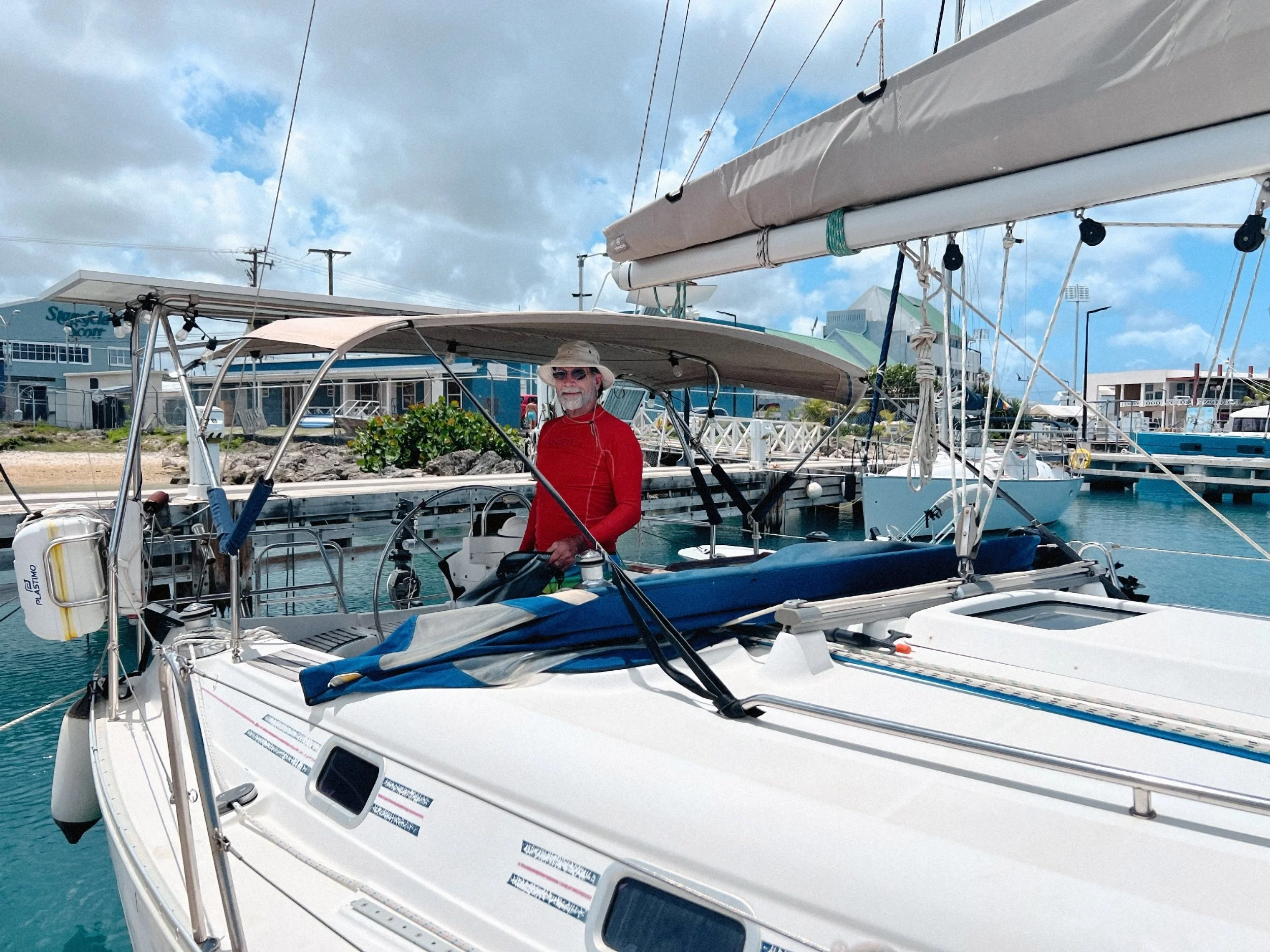
You meet the boat and other guests, we do a safety and boat briefing, assign bunks and talk through the plan for the first 24 hours. Then we cast off.
Who It’s For
SailDeep isn’t your average day-sail
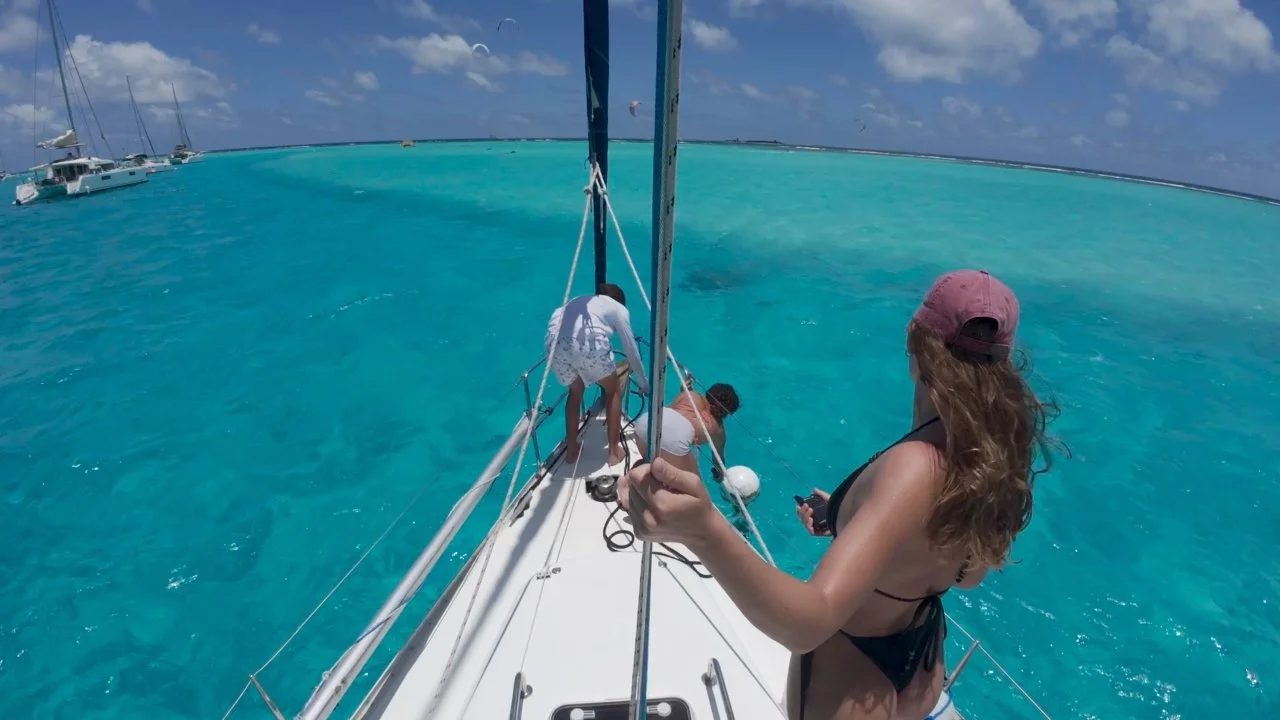
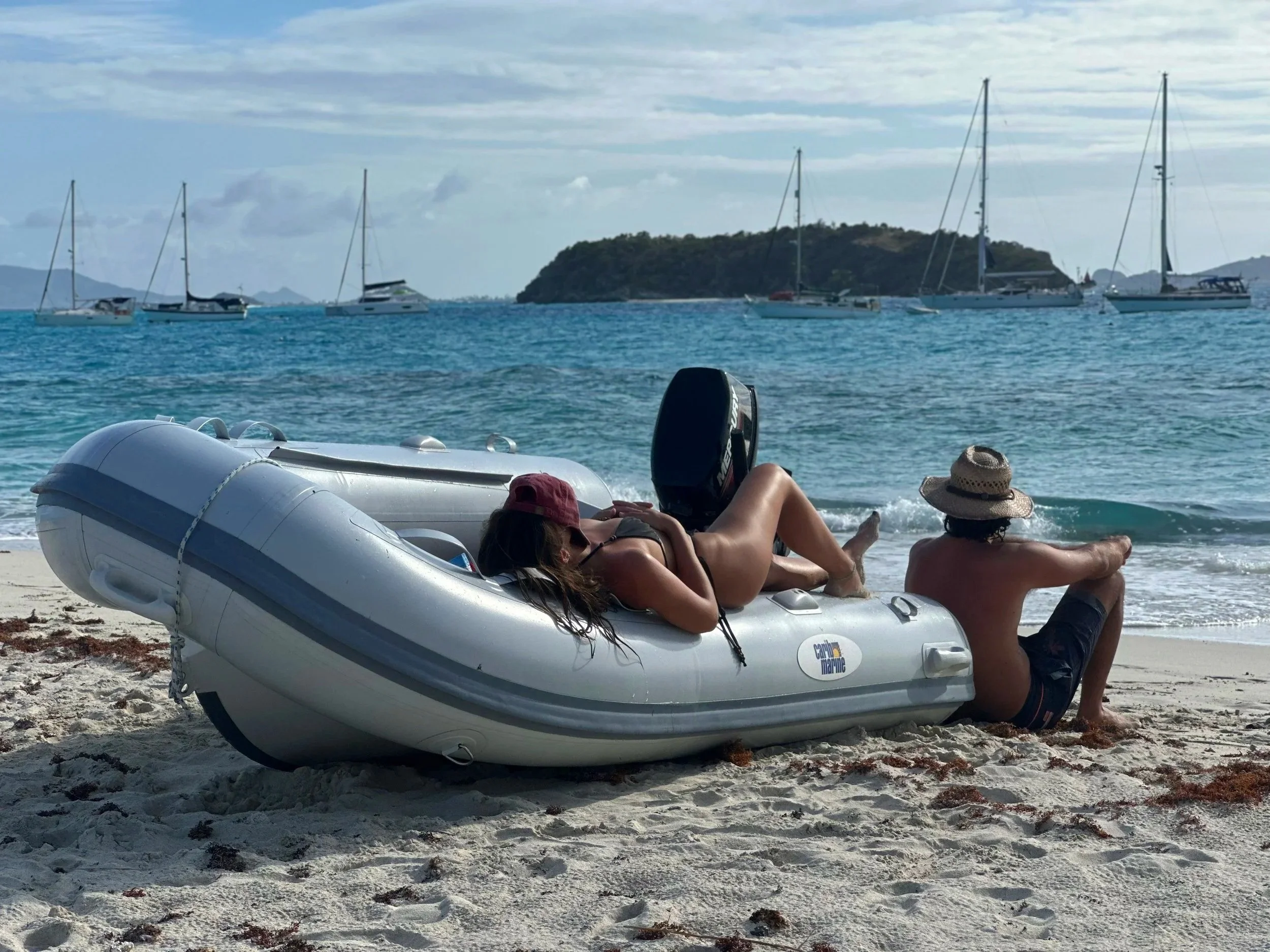
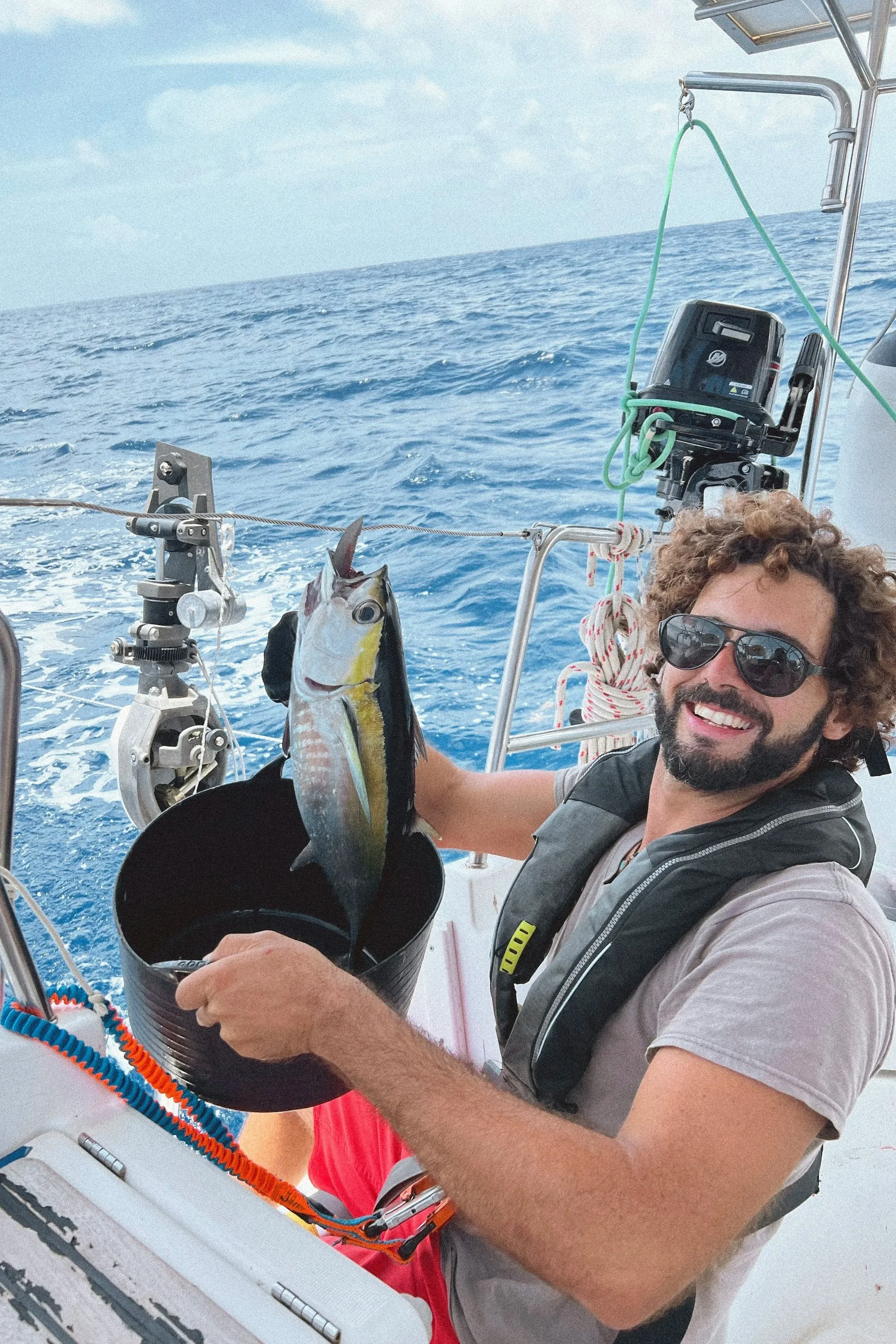
[ WHO IT'S FOR ]SailDeep is for people who want to spend a few days living on the water taking part in life on board a sailboat.
They are drawn to the sea and are curious about how a sailboat actually runs. They like learning by doing and are willing to try new roles on the boat and in the water, whether they are complete beginners or have years of experience.
They are comfortable with simple living, shared space and plans that shift with weather and the people on board. They can handle some uncertainty, adjust as conditions change and stay steady when things are not perfectly under control.
They are ready to share the load: steering, handling lines, cooking, anchoring and helping where they can. They understand that a good trip depends on everyone taking part.
They try to speak to others on board in a straightforward, respectful way and are able to spend time in close quarters without difficulty. They care about the sea and show respect for the boat, the places they visit and the people they meet.
[ WHO IT'S NOT FOR ]SailDeep is not a good fit for people who want a fixed itinerary, cruise-style comfort or to be looked after without taking part.
It is also not suited to anyone who struggles with shared space, changing plans, basic physical tasks or working calmly with others in a small group.
What To Expect
On-board “Nayru” our Beneteau Oceanis 361 Clipper
[ GENERAL ]-
Nayru has two private cabins and a convertible berth in the salon. Cabins and lockers are compact and you may share the boat with three or four other people.
Depending on your booking, you may have a private cabin or share with your travel partner. We have 3 spots available. Two are private and one is in the common area.
The private options are:
the V-Berth in the bow
The larger, Quarter berth at the ster
The non-private option is a convertible berth in the the salon - if you book this option your personal items will need to be stowed each morning to allow for use of this common area.
When packing, use soft luggage like duffel bags and backpacks. Your luggage will be stowed where you sleep and suitcases don’t make for good bedfellows.
-
A day on board usually looks something like this:
Wake with the sun, go for a morning swim or beach-walk.
Coffee and a shared and varied Bajan breakfast of eggs, ham, toast, a variety of local fruits, granola, yoghurt, and perhaps some banana bread!
Check forecast and plan the day together
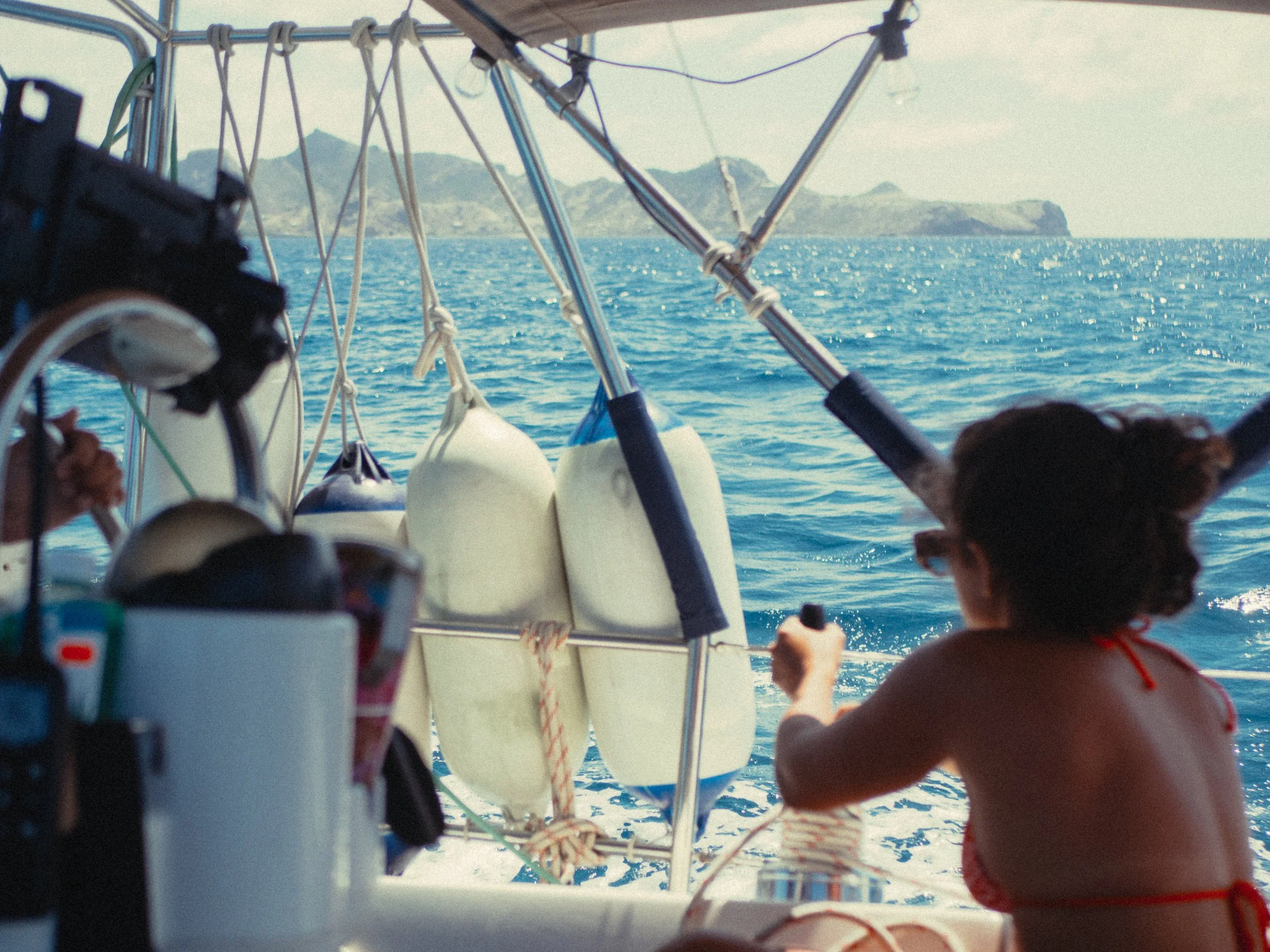
Sail for a few hours, sharing the helm, trimming the sails and reading the water for gusts
Drop anchor, swim or snorkel, if your trip includes it, dive
Enjoy a light lunch together on the boat or go ashore for some local fare.
In the afternoon we’ll go on a shore excursion, sail to our next dive site or anchorage for the night.
Enjoy a light dinner at sunset
Quiet time in the evening, sleep aboard
-
The boat moves, even at anchor. You will feel motion and though we do our best to minimize them, you will hear sounds of the boat’s movement at night.
In the day It can be hot, bright and salty. Shade, plenty of water and rest become a real part of the day.
Seasickness happens to the best of us and sometimes without warning. We talk about it openly and manage it together. It is highly recommended that you come prepared with a motion sickness remedy that works for you just in case. We keep a healthy stock of ginger products on board which are a natural remedy for motion sickness. (Check out the ingredients list on Dramamine Non-Drowsy for example).
-
Electricity on board is a finite resource that must be managed carefully to avoid over-discharging the batteries.
Depending on your booking terms there may be Starlink on board, but it is a power-hungry device that must be managed. Priority will always go to safely operating the vessel vs internet access.
Nayru is equipped with 2 solar panels that charge the house batteries by day. It is recommended to charge phones and other devices during the day and avoid any charging at night.
Connectivity is better near shore and less reliable offshore but many seaside restaurants and bars have free WiFi
We encourage you to embrace the reduced data connection while sailing with us.
-
Fresh water is limited on a small boat. Nayru carries about 310 litres in two tanks. The US EPA estimates the average person on land uses roughly that much in a single day. On Nayru, that amount is shared between four or five people over several days, so we manage it carefully.
The head (toilet) uses salt water to flush.
Dishes are washed with soap and salt water, then rinsed with fresh.
Taps stay off while brushing teeth or soaping hands.
Showers are short. We soap and shampoo with salt water first, then use fresh water for a quick rinse.
You’ll see how this works in practice on board, and we’ll walk through it together at the start of the voyage. If your preferences are otherwise, this is something we can discuss during our pre-booking call.
[ SAFETY, PARTICIPATION & ROLES ]-
Before we leave, you get a full safety briefing: lifejackets, lifelines, fire safety, flares, radios, man overboard, toilet use, cooking gas safety and moving safely on deck.
During liveaboard voyages, for each passage our shore contacts will be notified of our intended passage, next anchor location, our ETA. and actual arrival time.
The skipper is responsible for the vessel and everyone on board. For safety at sea, you to follow lawful instructions from the skipper and any designated guides.
All guests are expected to be able to swim, feel comfortable in the water, and be reasonably fit and steady on their feet.
Alcohol use in moderation is ok once the boat is secured and all sailing and in-water activities for the day are finished. No drinking before or during sailing, snorkelling or diving. Illegal drugs are not permitted on board.
-
You can expect to:
Enjoy life at sea
Take turns at the helm under guidance
Help with sail trimming and lines
Assist with anchoring and mooring as appropriate
Share galley duties
Assist with shore-runs for fresh water
Help keep shared spaces tidy and safe
Take part in watch duties on longer passages
Each person has different strengths and interests, and will be empowered to take part in a way that suits them.
-
The skipper’s job is to:
Keep the vessel and everyone aboard as safe and comfortable as possible
Set and adjust the plan based on weather, sea state and crew condition
Decide if, when and where it is safe to sail, dive or go ashore
Match tasks to each person’s ability and interest level
Step in or change the plan if conditions demand it
On diving days, a qualified dive professional will handle dive briefings, buddy checks and in-water supervision, in line with PADI standards.
[ PACKING LIST ]
Luggage
Pack using a duffel/soft bag. We do not recommend bringing hard-shell or rolling suitcases on board, space is limited and they take up a lot of room. Not to mention how uncomfortable It will be to sleep with it in your berth.
Important Documents
For voyages that cross international borders be sure to have your important documents including passports and any required visas, copies of medical and travel insurance (and dive insurance), copies of other travel documents like shore-based accommodation, flight itineraries, etc.
Medications
Personal, prescription medications - make sure to pack an ample supply before you travel. You may not be able to find your required/preferred medications locally.
Clothing & Towels
Travel clothing that serves multiple purposes, dries out quickly, and can be easily rinsed
Shorts, long-sleeved rash guards (for UV protection) and t-shirts are typical aboard
Multiple swimsuits.
2 Towels - one for swimming & the other for showering
Warm clothes like a hoodie or windbreaker (For chilly evenings)
Toiletries
Travel-sized personal toiletries
Sun & Insects
Insect repellant for going ashore in the evenings.
Sunblock at a minimum of SPF 30. We highly recommend looking into reef-safe options. Check out this article by Coral.com for their take
Hat & Shades - we recommend bringing a wide-brimmed hat and sunglasses with polarized lenses and high UV protection to protect your eyes
Water, Sleep & Waterproofing
Reusable water bottle
Earplugs and sleeping mask if you’re sensitive to light and sound.
A waterproof bag for your personal items and for going ashore, or perhaps just a waterproof case for your phone/cash/cards.
Sea Sickness
Your preferred anti-motion-sickness medication. It’s always better to have it and not need it, than need it and not have it!
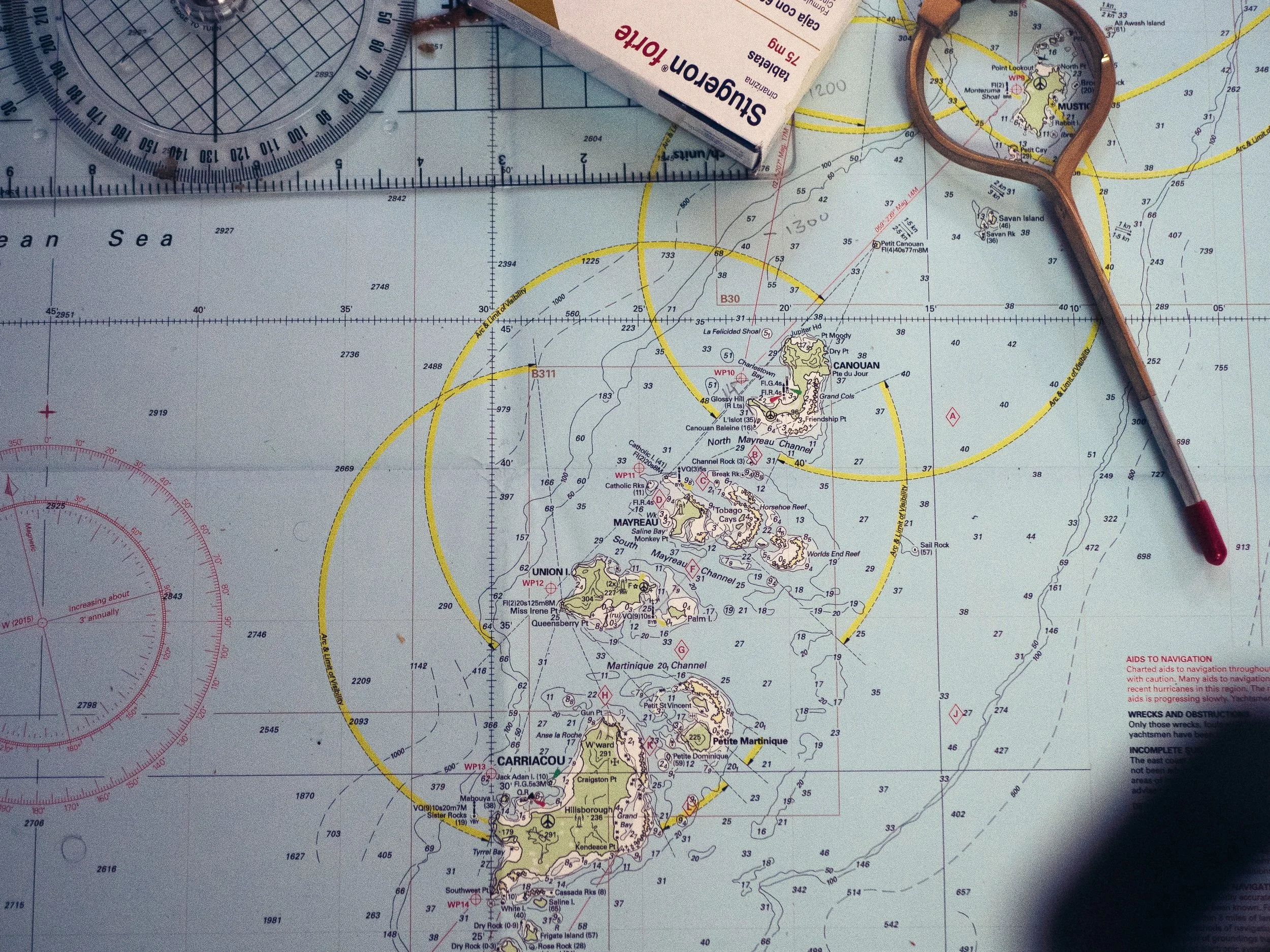
Past crew members have had good results with Stugeron aka cinnarizine and have found that Dramamine typically causes drowsiness; however, we recommend you speak to your doctor about which one may be best for you.
Shoes
On board most prefer to be barefoot but if you prefer to wear shoes please bring ones that are non-skid with rubber (not black) soles that do not have raised heels
On shore flip-flops / sandals are adequate for most shore-based activities but it might be worthwhile to bring closed-toe shoes if we go on a hike/walk
Money
Personal cash to pay for meals ashore and any shore-based activities you might want to participate in
USD is accepted in Barbados at 2:1 and there are many ATMs where you can withdraw local currency
Credit cards are not the norm for most small businesses, many will say “cash is king”
For those with American Express, expect many vendors to refuse payment with those cards due to their high fees
Nice to Have
Sailing gloves will be sorely missed if you don’t bring a pair!
Journal / Sketchbook / Underwater or waterproof camera
Your preferred snacks or alcohol that you’d like to bring on the trip
Personal mask, snorkel, and fins - we have a small selection on-board, but nothing beats having your own for that ideal fit
Dive computer if you plan on diving
We have a ukulele on board, for anyone who’d like to strum a tune